
Quick Answer
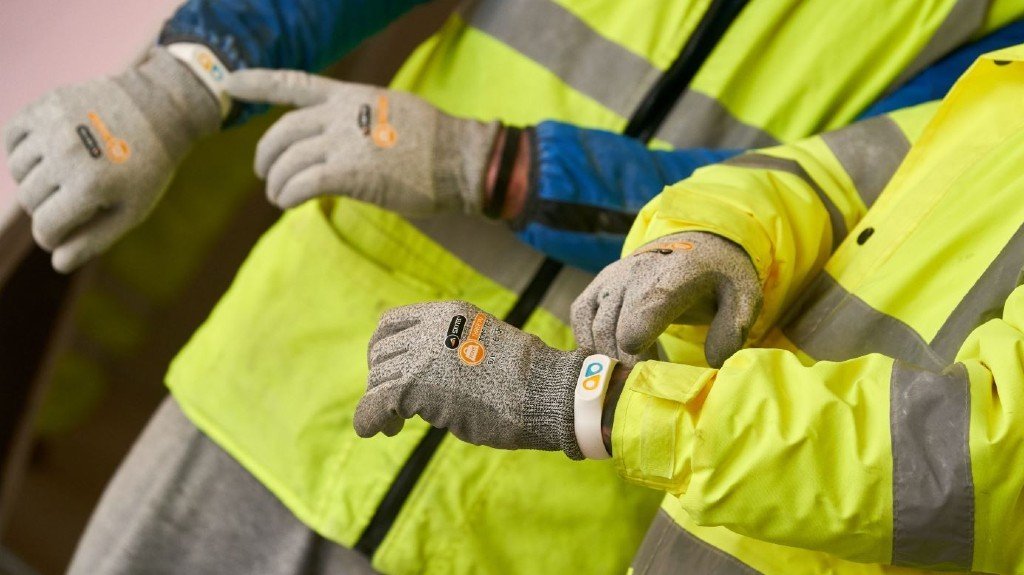
Construction wearables can include proximity sensors, connected helmets, smart eyewear, physiological monitors, environmental sensors, location tags, and exoskeletons. NIOSH has described potential uses such as warning workers when heavy equipment is nearby, monitoring heat or environmental exposures, and reducing some physical loads. NIOSH also emphasizes limits such as cost, durability, worker acceptance, privacy, data security, and the need to validate sensor performance.
For a California injury claim, wearable data may become one piece of evidence about location, movement, exposure, alarms, or the timing of an incident. It should not be treated as infallible. If a device may contain relevant data, identify it early, preserve the hardware and account information when possible, and avoid assuming the employer’s dashboard is the only copy.
What Counts as a Construction Wearable?
A wearable is generally a device worn on the body or integrated into clothing or protective equipment that senses, records, displays, or communicates information.
Examples can include:
- proximity tags that warn a worker or equipment operator about collision risk;
- connected helmets or hard-hat accessories;
- smart eyewear;
- environmental sensors for gases, temperature, humidity, noise, or other conditions;
- physiological monitors that collect heart rate or other body-related data;
- location or motion trackers;
- fall-detection devices;
- connected high-visibility garments; and
- active or passive exoskeletons designed to change physical loading during work.
The category is broad. A device’s legal and safety significance depends on what it actually measures and how it is used.
What NIOSH Says Wearables May Do
NIOSH has described several construction applications for wearable technology. Proximity systems can alert workers when heavy equipment is nearby. Environmental sensors can monitor conditions such as gas concentrations, heat, or noise. Physiological monitoring may help identify heat-stress concerns. Exoskeletons may reduce some mechanical loads during particular tasks.
NIOSH’s Direct Reading and Sensor Technologies program also emphasizes that sensors need guidance on validation and performance characteristics. Faster data is useful only when the measurement is reliable enough for the decision being made.
That distinction matters after an injury. A sensor alert is not automatically proof of the exact exposure or force involved. The device, its configuration, and its limitations matter.
Wearables Do Not Replace Basic Safety Controls
A connected helmet does not replace required head protection. A location tag does not replace traffic-control planning. A heat sensor does not eliminate the need for an effective heat-illness prevention program. A wearable alert does not substitute for guarding, lockout, scaffolding, fall protection, or competent supervision where those controls are required.
The safest use of wearable technology is usually as another layer in a broader safety system—not as an excuse to remove more effective controls.
How Wearable Data Can Become Injury Evidence
Depending on the device, records might show:
- time and location;
- movement or acceleration;
- proximity to a vehicle or machine;
- an alert or alarm event;
- environmental readings;
- physiological measurements;
- whether the device was connected or offline; or
- when data was uploaded to a cloud service.
These records can help reconstruct an incident, but their reliability should be tested rather than assumed.
Questions to Ask About Sensor Reliability
Was the device actually being worn or used correctly?
A sensor cannot reliably describe a worker’s condition if it was left in a locker, worn in the wrong position, attached to equipment instead of the worker, or used contrary to its design.
Was it calibrated or maintained?
Some environmental and exposure sensors require calibration, bump testing, maintenance, or replacement. Records showing device condition can be as important as the output itself.
Was the device connected?
Wearables may store data locally, transmit it immediately, synchronize later, or lose readings when a network is unavailable. Determine whether gaps in the record reflect a safe condition or simply a connectivity issue.
What did the software do to the raw data?
Dashboards may smooth, summarize, transform, or classify readings. A red/yellow/green alert can be useful operationally but may not reveal the raw measurement or the algorithm that created the alert.
Was the clock correct?
If the wearable, phone, vehicle telematics, security camera, and incident report use different clocks or time zones, a timeline can appear inconsistent until the timestamps are normalized.
Evidence Preservation After an Injury
If a wearable or smart-PPE system may matter, document it early. Useful items can include:
- the device make, model, serial number, or asset tag;
- photographs showing where and how it was worn;
- the associated phone, app, badge, or account;
- screenshots of alerts or dashboards;
- raw data exports if available;
- calibration, firmware, battery, and maintenance records;
- data-retention policies;
- the identity of the vendor or cloud platform;
- supervisor messages responding to an alert; and
- other records that can corroborate the sensor, such as vehicle telematics, access logs, cameras, or witnesses.
Do not delete, reset, or alter a device that may be relevant to a disputed injury without legal guidance.
Wearable Data Can Help — or Create Disputes
A worker may expect sensor data to prove the claim, but data can raise new questions. A proximity tag may show a worker near equipment but not explain why the worker was there. A motion sensor may register a force without identifying the cause. A physiological monitor may show an elevated heart rate without proving the reason.
The correct approach is to combine the device record with the work assignment, scene, witness accounts, medical findings, training, and other evidence.
California Employee Privacy Considerations
California’s privacy framework is relevant because some wearables collect location, biometric-like, health-related, or employment-related information.
The California Privacy Protection Agency states that California residents include employees and job applicants for CCPA purposes. It also notes that the former statutory exemptions for employment-related personal information expired at the end of 2022. Whether a particular employer is subject to the CCPA and what specific rights or exceptions apply require a fact-specific analysis.
As of 2026, CalPrivacy is also conducting employee-data rulemaking work. That is a strong reason not to freeze a broad legal claim about how every wearable system must be configured or what every worker can obtain.
What If Wearable Data Is Used Against a Workers' Comp Claim?
Do not assume the summary presented by an employer or insurer is complete. Ask what the device measured, whether raw data exists, how the system was configured, whether the record has gaps, and whether other evidence corroborates the interpretation.
A disputed wearable record may need technical review just like vehicle telematics, machine logs, or digital photographs. The significance of the data depends on the issue being disputed.
Workers' Compensation Still Starts With the Injury and the Work Connection
California DWC advises workers to report job injuries promptly and use the DWC-1 claim form to protect their rights and start the claim process. Wearable data does not replace those steps.
For most covered work injuries, the core workers’ compensation questions remain the same: what happened, whether the injury arose from the work, what medical treatment is needed, what disability resulted, and what benefits apply.
Practical Checklist for Workers
After an injury involving wearable technology:
1. Get emergency care if needed.
2. Report the injury promptly.
3. Request and return the DWC-1 claim form.
4. Identify every wearable, app, phone, vehicle system, or sensor connected to the incident.
5. Preserve screenshots and device/account details without altering data.
6. Write down the names of supervisors, safety staff, and coworkers who saw alerts or device readings.
7. Ask whether raw data, not just dashboard summaries, is retained.
8. Keep your own timeline of the event and symptoms.
9. Avoid assuming the device either proves or defeats the claim by itself.
Bottom Line
Construction wearables can improve hazard awareness and create valuable evidence, but they also introduce questions about reliability, retention, interpretation, and privacy. The strongest injury record treats sensor data as one part of the evidence and preserves it alongside the physical scene, witness accounts, work records, and medical documentation.
Frequently asked questions
Are smart PPE devices legally required on California construction sites?
There is no general rule requiring every construction employer to deploy smart wearables. Employers must comply with applicable safety requirements, but wearable technology is typically one possible tool within a broader safety system.
Can wearable data prove my workers' compensation claim?
It may help, but it is not automatically conclusive. The device’s accuracy, placement, configuration, timestamps, data gaps, and relationship to other evidence matter.
Do California employees have privacy rights in wearable data?
California privacy law can apply to employee personal information when the covered-business and statutory requirements are met. The scope is fact-specific and California employee-data regulation remains an evolving area.
Should I reset or return a wearable after an injury?
If the device may contain relevant evidence, do not intentionally delete or alter data. Document the device and seek guidance about preservation and return procedures.
Sources and Legal References
- NIOSH, Wearable Technologies for Improved Safety and Health on Construction Sites
- NIOSH, Direct Reading and Sensor Technologies Center
- NIOSH, Advanced Sensor Technologies and the Future of Work
- NIOSH, Exoskeletons in Construction
- California Privacy Protection Agency, Employee Data
- California Privacy Protection Agency, CCPA FAQs
- California Division of Workers' Compensation, How to File a Claim
Related Legal Resources
- Construction Injuries Lawyer Van Nuys
- Construction Site Supervisors and Safety in California: IIPP Duties, Toolbox Talks, and Injury Evidence
- Head and Eye Protection at Work in California: PPE Rules, Injury Evidence, and Workers’ Comp
- Cellphone Distraction at Work in California: Injury Claims, Driving Rules, and Evidence
- Employer Disputes That Your Injury Happened at Work: Evidence That Can Support the Claim
- Contact Hussain & Gutierrez
This content is general California legal information and is not individualized legal advice.