
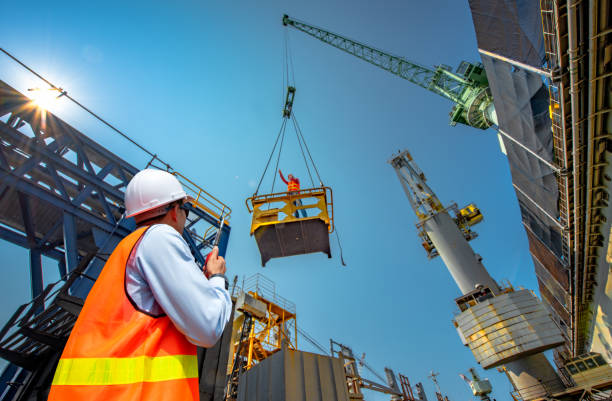
Quick Answer
California construction safety rules place the legal duty on employers to establish and maintain an effective safety program, but supervisors and foremen often carry out critical parts of that program on the job site. Cal/OSHA section 1509 requires construction employers to maintain an Injury and Illness Prevention Program, adopt a written Code of Safe Practices, hold periodic supervisory safety meetings, and have supervisory employees conduct toolbox or tailgate safety meetings with their crews at least every 10 working days.
That does not mean every accident proves a supervisor personally violated the law. It means supervision is part of the safety system, and supervisor records can become important evidence after an injury. Daily reports, tailgate-meeting records, hazard corrections, training, inspection logs, work orders, and instructions can help reconstruct what the crew was told, what hazards were known, and what changed before or after the incident.
The Employer Owns the Safety Program
Under Cal/OSHA, the employer must establish, implement, and maintain the required safety program. A supervisor or foreman may be assigned responsibility for inspections, training, toolbox talks, job hazard analysis, and correcting unsafe practices, but the employer cannot replace a legally required program with informal expectations that a supervisor will “keep everyone safe.”
A strong construction safety system should make responsibilities clear before the job starts.
What Section 1509 Requires on Construction Sites
California Code of Regulations, title 8, section 1509 contains construction-specific IIPP requirements.
Among other things, it requires construction employers to:
- establish, implement, and maintain an effective IIPP in accordance with section 3203;
- adopt a written Code of Safe Practices related to the employer’s operations;
- post the Code at the job-site office or provide it to supervisory employees so it is readily available;
- hold periodic meetings of supervisory employees under management direction to discuss safety problems and accidents; and
- have supervisory employees conduct toolbox or tailgate safety meetings, or equivalent meetings, with their crews at least every 10 working days.
These requirements create records and routines that can matter after an injury.
Toolbox Talks Are Not Just Paperwork
A toolbox or tailgate meeting should address real hazards the crew may face. A generic sign-in sheet that says “safety discussed” may do little to prevent an incident if the actual task involves a specific fall, electrical, excavation, crane, traffic, chemical, or machinery hazard.
Useful toolbox topics can include:
- work planned for the next phase;
- site-specific hazards;
- changes in weather or site conditions;
- fall-protection systems;
- scaffold or ladder use;
- excavation and trench hazards;
- vehicle and equipment movement;
- struck-by and caught-between hazards;
- energized equipment;
- lockout or other energy-control procedures;
- PPE requirements;
- heat illness prevention;
- access and housekeeping; and
- lessons from recent near misses or incidents.
The meeting should be understandable to the crew. Training that workers cannot understand is not effective training.
Supervisors Also Need Training
Cal/OSHA’s construction guidance lists training and instruction requirements across many hazards and identifies supervisors or other responsible personnel for certain topics.
A foreman who is expected to identify hazards, stop unsafe work, direct workers, conduct inspections, or investigate incidents needs enough training to perform those functions competently.
Supervisors should also know the limits of their authority. If correcting a hazard requires engineering, specialized competent-person review, equipment shutdown, subcontractor coordination, or management approval, the issue should be escalated rather than improvised.
Hazard Identification and Correction
An effective safety program should not wait for an injury before identifying hazards.
Supervisors commonly help by:
- walking the site before work begins;
- checking whether access routes are safe;
- confirming required guards, barriers, railings, covers, or PPE are in place;
- coordinating overlapping subcontractor work;
- checking housekeeping and material storage;
- monitoring changing site conditions;
- removing damaged equipment from service;
- documenting hazards that need repair; and
- stopping or changing work when an immediate hazard cannot be safely controlled.
The exact duties depend on the employer’s program and the specific safety orders that apply to the task.
Why Supervisor Records Matter After an Injury
After a serious incident, the physical condition of the job site can change quickly. Barricades may be installed, debris removed, equipment repaired, guardrails added, or crews moved.
Records can show what existed before those changes.
Potential evidence includes:
- daily superintendent or foreman reports;
- toolbox or tailgate meeting records;
- safety meeting agendas and sign-in sheets;
- job hazard analyses or pre-task plans;
- photographs and videos;
- inspection checklists;
- corrective-action logs;
- equipment inspection records;
- safety complaints;
- text messages or radio communications;
- subcontractor coordination records;
- work orders;
- training records;
- incident and near-miss reports;
- witness names; and
- the written Code of Safe Practices.
An injured worker should preserve records lawfully and avoid taking confidential or proprietary materials the worker has no right to possess.
Workers' Compensation Does Not Require Proving Supervisor Negligence
California workers’ compensation is generally a no-fault system. For an ordinary covered injury, the worker does not usually have to prove that a supervisor was negligent or that Cal/OSHA issued a citation.
The central workers’ compensation question is whether the injury arose out of and occurred in the course of employment.
Supervisor and safety evidence can still matter because it may establish:
- what task the worker was assigned;
- where the worker was supposed to be;
- what equipment was in use;
- whether the condition existed before the incident;
- who knew about the condition;
- whether the employer later changed the site; and
- whether a third party may share responsibility.
What Should a Worker Do After a Construction Injury?
Get medical care
Seek emergency care when needed. Tell the provider the injury occurred at work.
Report the injury promptly
Tell the employer or supervisor what happened and where. If the worker is unable to report personally, a family member or representative may need to help preserve notice.
File the DWC-1
California DWC advises workers to file the claim form to protect their rights and begin the workers’ compensation process. Keep a dated copy and proof of delivery.
Preserve the scene evidence
If safe and lawful, preserve photographs, video, witness contacts, equipment information, and the exact location.
Identify the supervisor and other responsible contractors
Construction sites can involve general contractors, subcontractors, staffing companies, equipment providers, property owners, and other entities. Record the company names and the people directing the work.
What If a Supervisor Ignored a Safety Complaint?
Document what was reported, when, how, and to whom. Preserve the exact message or complaint if possible.
A ignored complaint can be relevant to a Cal/OSHA investigation, an employment-law issue, or a third-party case, depending on the facts. It is not necessary to prove an ignored complaint to open an ordinary workers’ compensation claim.
If retaliation, discipline, termination, or another employment action follows a safety complaint or workers’ compensation claim, separate employment-law review may be needed.
Multi-Employer Construction Sites
Construction sites often involve several employers working at once. A worker may receive day-to-day direction from one supervisor while another company controls a scaffold, crane, electrical system, floor opening, delivery zone, or other hazard.
That can complicate evidence and liability.
After an incident, record:
- your direct employer;
- the general contractor;
- the subcontractor controlling the task;
- the company that owned or operated relevant equipment;
- the supervisor or foreman who gave the instruction;
- the competent person or safety representative, if known; and
- any other company working in the immediate area.
Detailed third-party liability should be handled separately from the workers’ compensation claim.
Bottom Line
Construction supervisors and foremen matter because California’s safety system expects the employer’s written program to be carried into actual job-site practice. Section 1509 specifically requires supervisory safety meetings and toolbox or tailgate meetings, along with a Code of Safe Practices and an effective IIPP.
After an injury, the supervisor’s role is evidence, not a substitute for the workers’ compensation standard. Preserve the assignment, toolbox-talk records, site conditions, hazard reports, daily logs, and witness information, then report the injury and file the DWC-1.
Frequently asked questions
Are construction supervisors legally responsible for site safety in California?
California safety duties generally apply to employers, while supervisors and foremen often perform specific safety functions under the employer’s program. The exact responsibilities depend on the employer’s structure and the safety orders that apply.
How often are construction toolbox meetings required?
Title 8 section 1509 requires supervisory employees to conduct toolbox or tailgate safety meetings, or equivalent, with crews at least every 10 working days.
Do I need an OSHA citation to get workers' comp after a construction accident?
No. Workers’ compensation generally does not require proof of a safety citation or employer negligence. Safety evidence can still help establish how the injury happened.
What records should I preserve after a construction injury?
Photos, witness contacts, daily reports, toolbox-talk records, job hazard analyses, inspection records, training, safety complaints, equipment records, and the DWC-1 filing record can all matter.
Sources and Legal References
- Cal/OSHA, Title 8 section 1509, Injury and Illness Prevention Program
- Cal/OSHA, Construction Safety Orders Guide
- Cal/OSHA, Safety and Health Training and Instruction Requirements
- California Division of Workers' Compensation, How to File a Claim
- California Division of Workers' Compensation, I Was Injured at Work
Related Legal Resources
- Construction Injuries Lawyer Van Nuys
- Workplace Fall Prevention in California: Safety Programs, Evidence, and Workers’ Comp
- Construction Fall Injuries in California: Fall Protection, Evidence, and Workers’ Comp
- How To Report An Unsafe Working Environment
- Workers Compensation Attorney In Van Nuys
- Contact Hussain & Gutierrez
This content is general California legal information and is not individualized legal advice.