
Quick Answer
A forklift injury can involve far more than the operator. Pedestrians, loaders, warehouse workers, construction crews, drivers at docks, and maintenance personnel can be struck, pinned, crushed, or hit by a falling load. California’s industrial-truck rules address operator training, workplace hazards, safe operating practices, equipment condition, and periodic evaluation. Those safety records can become important evidence after an incident, but a workers’ compensation claim does not depend on proving that the employer violated a safety order. The core workers’ compensation question is whether the injury or illness is work related. A careful claim record should preserve the incident facts, the worker’s medical and work-status records, and the equipment and training evidence before it disappears.
Forklift Injury Evidence
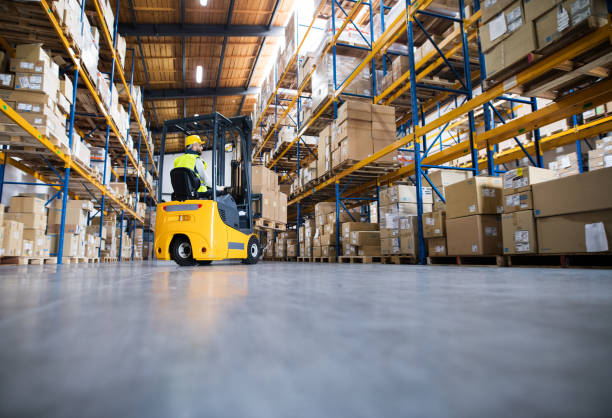
Forklifts combine vehicle movement, lifting, load handling, narrow workspaces, changing visibility, and close contact with people on foot. That combination makes a forklift event different from a stationary-machine injury. The key facts can include the exact truck and attachment, rated capacity, load weight and placement, aisle or dock conditions, visibility, speed, pedestrian routes, trailer restraint, slope, lighting, warning devices, and whether the operator was trained for that specific truck and workplace. A broad warehouse-safety page cannot carry all of those details without becoming unwieldy, which is why this article retains a narrower forklift-specific job.
California Training and Evaluation Rules
California Code of Regulations, title 8, section 3668 requires an employer to ensure that each powered industrial truck operator is competent to operate safely through the required training and evaluation. Training includes formal instruction, practical training, and evaluation of the operator’s workplace performance. The required topics are not limited to truck controls. They also include workplace conditions such as pedestrian traffic, narrow aisles, ramps, load stability, surface conditions, and closed environments where carbon monoxide or diesel exhaust could accumulate. Refresher training is triggered by specific events, and an operator performance evaluation must be conducted at least once every three years. The employer also must certify the training and evaluation. This is more precise than saying a worker simply needs a generic “forklift license.”
Operating Rules and Shift Checks
Section 3650 contains California operating rules for industrial trucks. Among other points, it limits operation to authorized and trained drivers; prohibits riders on forks; restricts people from standing or working under elevated portions unless effectively blocked; requires the driver to check the vehicle at the beginning of each shift; requires an unsafe vehicle to remain out of service until made safe; addresses safe speed and positive control; requires attention to obstructed vision and pedestrian clearance; and requires stable, secure loads within rated capacity. The rule also addresses docks, trailers, grades, unattended vehicles, fork position, and operator restraint systems when provided by the manufacturer. These are safety requirements, not a checklist that automatically proves civil liability or workers’ compensation entitlement after every accident.
Common Forklift Incident Patterns
- Tip-over or stability event: turning, grades, raised or off-center loads, surface conditions, attachments, or capacity issues may become relevant.
- Struck-by event: pedestrians may be hit at blind intersections, congested aisles, loading zones, or while a driver’s view is blocked.
- Caught-between or crush event: a worker may be pinned between a truck and rack, trailer, wall, bench, dock edge, or another vehicle.
- Falling or shifting load: load securement, rated capacity, attachment use, rack contact, and load placement can matter.
- Dock or trailer event: trailer restraint, floor condition, dock edge clearance, visibility, and traffic controls may need to be preserved.
- Equipment-condition event: brakes, steering, horn, lights, tires, forks, chains, lift components, batteries, or other systems may become evidence if condition is disputed.
What to Do After a Forklift Injury
Address urgent medical needs first and do not enter an unsafe area just to collect evidence. Report the injury to the employer as soon as practicable. California DWC explains that the employer must give or mail a DWC-1 claim form within one working day after learning of the injury or illness; returning the completed form protects the worker’s rights and starts the claim process. Keep a copy. If the injury affects work capacity, preserve every work-status note and every later change in restrictions. If a forklift or load is likely to be moved, repaired, discarded, downloaded, or returned to service, identify it accurately and request preservation through the appropriate channel rather than altering the equipment yourself.
Evidence to Preserve
- Forklift make/model, fleet or asset number, attachment, and rated-capacity information.
- Photos or video of the scene only when it can be done safely; identify cameras that may have captured the event.
- Operator training, evaluation, and certification records relevant to the truck and workplace.
- Beginning-of-shift inspection records, defect reports, maintenance records, and repair history relevant to the disputed condition.
- Load description, pallet or container condition, approximate weight if known, placement, and securement information.
- Witness names, work assignments, supervisor instructions, traffic plans, aisle conditions, dock/trailer restraints, and any near-miss history known to the worker.
- DWC-1 paperwork, claim correspondence, medical records, work restrictions, wage information, and time missed from work.
Workers’ Comp, Safety Enforcement, and Third-Party Issues Are Different
Workers’ compensation generally addresses work-related injury benefits without requiring the employee to prove ordinary employer negligence. Cal/OSHA safety enforcement asks whether workplace safety requirements were followed. A separate civil claim may sometimes exist against a person or company other than the employer, such as an equipment manufacturer, property owner, maintenance vendor, or contractor, but that depends on the facts and applicable law. A forklift accident should not be described as automatically creating a lawsuit, and a safety citation should not be described as automatically deciding the workers’ compensation claim.
Bottom Line
A forklift case is strongest when the article and the claim remain specific to the actual machine, load, workplace, training history, operating conditions, and injury evidence. California’s powered-industrial-truck rules provide a useful safety framework, while the DWC claim process protects the worker’s compensation rights. Preserve the evidence early, keep medical and work-status documentation organized, and separate the safety, workers’ compensation, and possible third-party questions rather than treating them as the same claim.
Frequently Asked Questions
- Does California require a separate state “forklift license”? California section 3668 requires employer training, practical instruction, evaluation, and certification of operator competence. A regular driver’s license is not a substitute for those workplace requirements, and the rule is more specific than a generic state license concept.
- How often must a forklift operator be evaluated? Section 3668 requires an operator-performance evaluation at least once every three years, with refresher training sooner when specified triggering events occur.
- Does a forklift accident prove a Cal/OSHA violation? No. The actual facts, equipment, training, operating conditions, and applicable rules must be evaluated.
- Can a pedestrian employee receive workers’ compensation after being hit by a forklift? Potentially, if the injury is work related. The operator does not have to be the injured worker.
- What if a defective forklift or outside contractor contributed to the injury? Preserve the equipment and contractual/maintenance evidence. A possible non-employer claim is fact specific and should be evaluated separately from workers’ compensation.
Sources and Legal References
- California Code of Regulations, Title 8, §3650 – Industrial Trucks
- California Code of Regulations, Title 8, §3668 – Powered Industrial Truck Operator Training
- California DIR/DWC – How to File a Claim
Related Legal Resources
- Van Nuys Workplace Machinery Injury Lawyer
- Warehouse Injury Risks in California: Safety Rules, Evidence, and Workers’ Compensation
- Workers Compensation Attorney In Van Nuys
- Severe Crush Injuries at Work in California: Medical Risks, Evidence, and Workers’ Compensation
- How To Report An Unsafe Working Environment
- Contact Hussain & Gutierrez
This content is general California legal information and is not individualized legal advice.