
Quick Answer
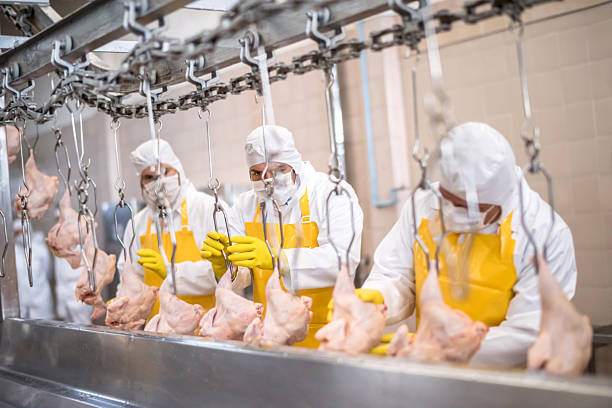
Meat and poultry processing can combine fast repetitive tasks, knives and sharp tools, powered machinery, wet floors, forklifts, cold environments, high noise, cleaning and disinfecting chemicals, biological exposures, and refrigeration systems. OSHA’s current poultry guidance specifically highlights dangerous equipment, slippery floors, musculoskeletal disorders, hazardous chemicals including ammonia, noise, and biological hazards.
For a California workers compensation claim, the safest approach is to document the task and hazard that actually caused the injury or illness. The plant-wide safety rules and records can help explain what happened, but a safety violation does not automatically establish workers compensation benefits or individual medical causation.
The Hazard Often Depends on the Task
A worker trimming meat with a knife, unloading live birds, sanitizing equipment, maintaining a conveyor, operating a forklift, clearing a jam, handling refrigeration equipment, or packing finished product faces very different risks. A generic statement that “meatpacking is dangerous” does not preserve the evidence needed after an injury.
Write down the exact task, workstation, machine or tool, product, time, supervisor, crew, and what changed immediately before the event. If the condition can be photographed safely and lawfully, do so before cleanup, repair, line changeover, or maintenance changes the scene.
Machines, Guards, and Hazardous Energy
Processing plants use conveyors, saws, grinders, cutters, mixers, augers, packaging equipment, and other powered machinery. California Title 8 section 4002 requires guarding for hazardous moving machine parts that create actions such as cutting, shearing, pressing, squeezing, rolling, mixing, pinch points, and similar hazards when they are not otherwise guarded by the machine frame or location.
Cleaning, repair, servicing, setup, adjustment, and unjamming can create a different hazard: unexpected energization or release of stored energy. Section 3314 applies to those covered operations and requires hazardous-energy controls. After an incident, preserve the machine identity, guard condition, lockout or tagout records, maintenance work order, operator controls, training, and who authorized the task.
Repetition, Force, and Work Pace
Repetitive cutting, gripping, reaching, lifting, or forceful work can contribute to musculoskeletal injuries. But California’s section 5110 has a specific trigger. It applies to a job, process, or operation when more than one employee has qualifying, physician-diagnosed work-related repetitive motion injuries from identical work activity reported within the rule’s time period.
When the rule applies, it requires a program that includes worksite evaluation, exposure control, and training. Even when the section 5110 trigger is not established, the worker’s actual repetition, force, posture, hours, break pattern, line pace, and job rotation can still be important evidence in a workers compensation cumulative-trauma claim.
Chemicals, Refrigeration, and Biological Hazards
OSHA identifies ammonia, cleaners and sanitizers, carbon dioxide, chlorine-related products, and other chemicals as possible hazards in poultry processing. Biological exposure can occur through animals, raw product, waste, dust, or contaminated surfaces. The exact medical significance depends on the substance, route, dose, timing, and clinical evidence.
Do not guess the chemical. Preserve the product name, label, Safety Data Sheet, area, task, ventilation or refrigeration information, alarm record, PPE, exposure-monitoring data if available, and the names of coworkers who experienced the same event. If an ammonia refrigeration process meets process-safety thresholds, additional PSM duties may apply, but the applicability should be verified for the actual system.
Cuts, Slips, Noise, and Material Handling
Knife and sharp-tool injuries, slippery walking surfaces, high noise, forklifts, pallets, and manual material handling can create separate injury mechanisms. Preserve the tool, floor condition, footwear or PPE, noise or hearing-conservation records where relevant, forklift or equipment identity, and any camera footage before it is overwritten.
The mechanism matters because the records differ. A laceration at a cutting station needs different evidence from gradual hearing loss, a forklift strike, or a respiratory exposure.
Evidence to Preserve After an Injury or Exposure
- incident report, DWC-1, and proof of reporting;
- line, station, machine, serial or asset number, and task description;
- photographs, video, and witness names;
- production schedule or line assignment and relevant work-pace records;
- machine guarding, maintenance, inspection, and lockout/tagout records;
- training, PPE, and job procedure records;
- chemical labels, Safety Data Sheets, refrigeration or alarm records, and exposure monitoring if applicable;
- staffing-company or contractor assignment records where relevant; and
- medical records, work restrictions, and dates symptoms first appeared or changed.
Workers’ Compensation Is Separate From the Safety Investigation
California workers compensation generally asks whether the injury or illness is sufficiently connected to work under the compensation statutes. The worker usually does not have to prove employer negligence or obtain an OSHA citation first.
At the same time, plant-safety evidence can help establish the task, exposure, equipment condition, and timeline. Keep those facts organized while the workers compensation claim, medical evaluation, and any Cal/OSHA process move on their own tracks.
Bottom Line
Meat and poultry processing risks are not one hazard. They can involve machinery, hazardous energy, repetition, chemicals, biological exposure, noise, slips, vehicles, and sharp tools, often in the same facility.
After an injury, identify the mechanism first. Preserve the station, machine, task, chemical or process records, report the event, obtain appropriate medical care, and keep the broad plant-hazard analysis separate from the narrower line-speed and repetitive-motion pages.
Sources and Legal References
- OSHA – Poultry Processing Overview
- OSHA – Poultry Processing Plant-Wide Hazards
- OSHA – Meatpacking Hazards and Solutions
- California Title 8 section 5110 – Repetitive Motion Injuries
- California Title 8 section 3314 – Control of Hazardous Energy
- California Title 8 section 4002 – Moving Parts of Machinery or Equipment
Related Legal Resources
- Workers Compensation Attorney In Van Nuys
- Dangerous Occupations Lawyer Van Nuys
- Line Speed And Safety In The Poultry Processing Industry
- Repetitive Strain Injuries at Work in California: Symptoms, Ergonomics, Evidence, and Workers’ Comp
- Machine Guarding at Work in California: Safety Rules, Evidence, and Workers’ Comp
- How To Report An Unsafe Working Environment
- Contact Hussain & Gutierrez
This content is general legal information and is not individualized legal advice.