
Quick Answer
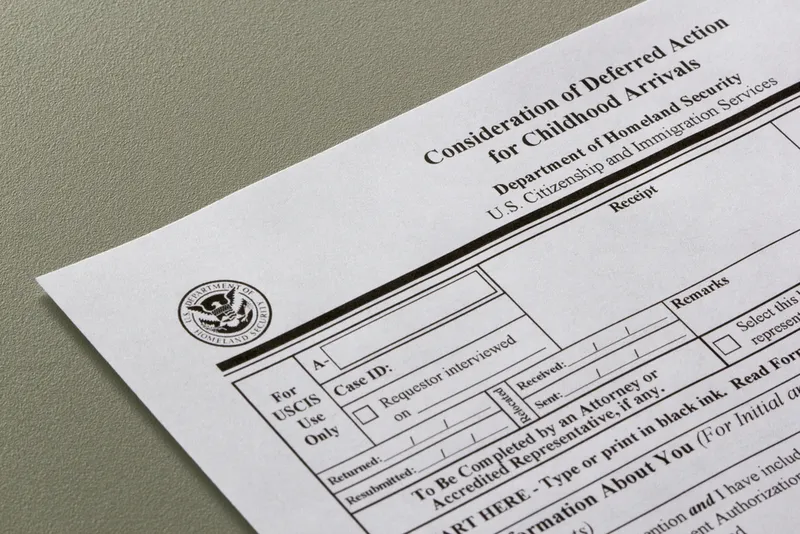
DACA can affect daily life in ways that are legal, financial, educational, and emotional. As of September 28, 2026, DACA remains a form of deferred action rather than lawful immigration status, permanent residence, or citizenship. USCIS continues to adjudicate eligible renewals while current court orders prevent approval of initial DACA requests.
California programs can matter independently of DACA. The California Student Aid Commission says qualifying undocumented students, including people with valid or expired DACA, may use the California Dream Act Application if they meet the state's nonresident-tuition-exemption rules. California DHCS currently categorizes deferred action, including DACA, within a PRUCOL pathway for Medi-Cal and also warns that immigration-related Medi-Cal rules are changing in 2027. Eligibility is fact-specific and should be checked at the time a person applies or renews.
Immigration Uncertainty and Mental Health Are Related – But Not the Same Thing
Immigration uncertainty can create real practical stress: fear about work authorization, family separation, finances, school, travel, or future plans. Public-health guidance for immigrant and refugee populations recognizes that displacement, insecurity, trauma history, social isolation, stigma, language barriers, and access-to-care problems can affect mental health. Those are risk factors and care barriers, not proof that every DACA recipient has a mental-health disorder.
It is safer to say that legal uncertainty and instability may contribute to distress for some people, while individual responses vary. Screening can identify people who may need evaluation, but screening is not the same as diagnosis.
DACA Status and Filing Questions
DACA is temporary deferred action; rules can change; and a benefit or renewal decision should be verified against current USCIS guidance.
This separation prevents a health/support article from making legal predictions or turning a court update into a wellness claim. If a reader has a long DACA lapse, criminal history, removal history, travel issue, or uncertainty about whether a filing will be treated as initial or renewal, the next step is case-specific immigration review – not a generalized mental-health article.
Medi-Cal and DACA in California
California's Department of Health Care Services publishes a current immigration-status chart for Medi-Cal. As of September 28, 2026, DHCS identifies deferred action, including DACA, within its PRUCOL category and describes current full-scope coverage for qualifying members, while also listing changes scheduled for 2027. Those rules are highly time-sensitive.
Medi-Cal eligibility also depends on non-immigration factors such as California residence, income, age, pregnancy, household circumstances, and program-specific rules. Existing coverage, new enrollment, dental coverage, plan structure, and future premiums can be treated differently. A reader should use the current DHCS eligibility page or county eligibility office before making a health-care decision.
California Dream Act Financial Aid Is Not DACA
The California Dream Act Application, or CADAA, is a state financial-aid process. CSAC says qualifying undocumented students and other eligible immigrants – including applicants with valid or expired DACA – may use CADAA if they meet the nonresident tuition exemption requirements. CADAA can be a route to state and institutional aid; it is not an immigration application and it does not create DACA.
That distinction matters because the similar names cause confusion. A student should not assume that losing or lacking DACA automatically eliminates California financial-aid options. Likewise, approval for state financial aid does not resolve federal immigration status.
Finding Mental-Health Support
A person who is struggling with sleep, concentration, panic, persistent sadness, intrusive memories, substance use, or daily functioning can start with a primary-care clinician, licensed mental-health professional, school counseling center, community clinic, or culturally and linguistically appropriate service. The right starting point depends on symptoms, safety, access, and personal preference.
If the concern is an immediate mental-health or suicide crisis in the United States, SAMHSA's 988 Lifeline provides 24/7 call, text, and chat access to crisis counselors.
What to Keep Separate When Seeking Help
Health-care records, school financial-aid records, and immigration filings serve different purposes. Before disclosing sensitive information, ask what the information is for, who will receive it, and whether an authorization is needed. Do not assume that a mental-health diagnosis automatically helps or hurts an immigration filing; the legal effect of medical information depends on the immigration benefit and the specific facts.
For legal strategy, keep copies of DACA notices, employment-authorization documents, USCIS receipts, and any immigration-court or travel records. For health care, keep the records your clinician recommends. The fact that both sets of records may matter in a person's life does not mean they should be merged into one narrative without a reason.
Bottom Line
DACA uncertainty can coexist with significant stress. In California, current Medi-Cal and Dream Act programs may offer important support depending on eligibility.
Sources and Legal References
- USCIS – DACA
- USCIS – Form I-821D Instructions
- CDC – Mental Health, Immigrant and Refugee Health
- California DHCS – Immigration Status and Changes to Medi-Cal Eligibility
- California Student Aid Commission – CADAA FAQs
- SAMHSA – 988 Suicide & Crisis Lifeline fact sheet
Related Legal Resources
- Daca Lawyer Van Nuys
- DACA in 2026: Renewals, Initial Requests, Work Authorization, and the Current Court Landscape
- U.S. Immigration Options FAQ: Work Visas, Family Sponsorship, Green Cards, and Status Changes
- Contact Hussain & Gutierrez
This content is general legal information and is not individualized legal advice.