
Quick Answer
Vineyard work can combine heat, repetitive hand work, prolonged bending, lifting, uneven terrain, vehicles and machinery, cutting tools, and pesticide exposure in the same shift. A California vineyard worker who is injured or becomes ill because of work may be eligible for workers’ compensation, but the claim is stronger when the worker reports the problem promptly, obtains appropriate medical care, and preserves evidence of the task or exposure involved.
The most useful question is not whether vineyard work is generally “dangerous.” It is what happened to this worker: what task was being performed, how often it was performed, what environmental or equipment condition existed, when symptoms began, and what medical evidence connects the condition to work.
Why Vineyard Work Creates Multiple Injury Pathways
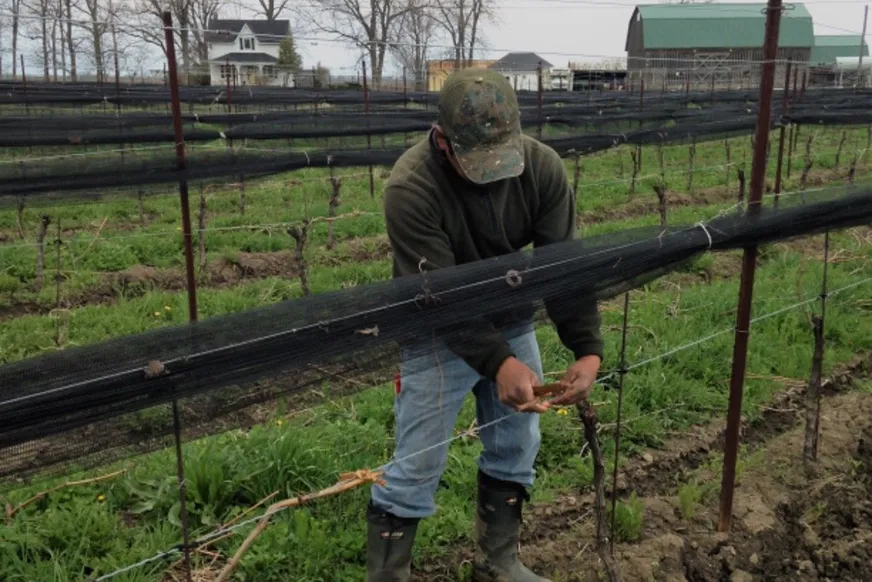
A vineyard is not one uniform workstation. Tasks change with the season and can include pruning, tying, thinning, canopy work, irrigation, trellis maintenance, harvesting, carrying bins, loading, driving, equipment operation, cleanup, and pesticide-related work.
That variety matters because different injuries require different evidence. A cut from pruning equipment may be a specific incident. Shoulder or back pain may develop over weeks or months of lifting and reaching. Heat illness may emerge during a high-temperature shift. A pesticide-related complaint may depend on application records, work location, wind, re-entry information, protective equipment, and medical evaluation.
California workers’ compensation can address both specific injuries and conditions that develop through cumulative work exposure. The practical job after an injury is to identify the actual mechanism and create a reliable record.
Repetitive Pruning, Gripping, Reaching, and Bending
Vineyard work often requires hand tools and repeated movements. NIOSH identifies force, repetition, awkward posture, vibration, and duration among common ergonomic risk factors for work-related musculoskeletal disorders.
For vineyard workers, relevant tasks can include:
- repeated use of pruning shears;
- forceful gripping or cutting;
- overhead or extended reaching;
- sustained bending at the waist;
- squatting or kneeling;
- lifting and carrying containers, tools, or materials;
- pushing or pulling carts or bins; and
- repeating the same motion for long portions of a shift.
These exposures do not prove that a particular diagnosis was caused by work. They are the facts a clinician may need when evaluating whether work caused or aggravated a condition.
If symptoms developed gradually, describe the real work rather than relying on a job title. “Vineyard worker” tells a doctor very little. “Pruned vines for six hours per shift using hand shears, five days a week, then carried filled bins” gives a much clearer exposure history.
Heat Illness Is a Major Agricultural Safety Issue
California Title 8 section 3395 applies to outdoor workplaces and specifically lists agriculture among the industries subject to all provisions of the heat-illness standard, including high-heat procedures.
The rule includes requirements for potable drinking water, shade, emergency response, acclimatization, training, and written procedures. For agricultural employees, when temperatures reach 95 degrees Fahrenheit or above, the regulation also requires minimum ten-minute net preventative cool-down rest periods every two hours, with additional periods for longer workdays.
Workers should know the difference between safety compliance and a workers’ compensation claim. Heat rules are designed to prevent illness. Workers’ compensation addresses benefits when a work-related illness or injury occurs. The same facts can be relevant to both processes, but they are not the same legal claim.
If heat symptoms develop, the priority is medical safety. Confusion, fainting, severe weakness, altered behavior, or other signs of serious heat illness can require emergency response.
Water, Toilets, and Handwashing in Agricultural Work
California’s field-sanitation rule, Title 8 section 3457, applies to agricultural employers and requires potable drinking water plus toilet and handwashing facilities for covered field operations. It also requires reasonable opportunities for workers to use those facilities.
These requirements matter beyond comfort. Water access is directly connected to heat prevention. Handwashing can reduce contact with dirt, biological material, and agricultural residues before eating or smoking.
A worker who believes required water, sanitation, or heat protections are missing can document the condition and consider the appropriate safety-reporting route. The site’s unsafe-working-environment resource explains the safety complaint path in more detail.
Cuts, Punctures, and Tool Injuries
Pruning shears, knives, wire, trellis components, stakes, and other tools can cause lacerations or puncture injuries. Some injuries are obvious and require immediate care. Others appear minor but become more serious because of infection, tendon involvement, nerve damage, or loss of hand function.
Useful evidence after a tool injury can include:
- the specific tool involved;
- photographs of the tool and work area;
- whether a guard, handle, or other component was damaged;
- whether the worker was trained to use it;
- the task being performed;
- witness names; and
- medical records describing the wound and functional limits.
Do not alter or take company equipment without authorization. Photographing or identifying the equipment may be enough to preserve the relevant facts while legal counsel considers whether additional preservation steps are necessary.
Uneven Ground, Ladders, Vehicles, and Agricultural Equipment
Rows, irrigation lines, mud, loose soil, slopes, and changing terrain can contribute to trips and falls. Vineyard work can also involve tractors, utility vehicles, forklifts, loaders, trailers, and other machinery.
After a fall or equipment incident, record the location and condition before it changes if it is safe and lawful to do so. A photograph showing a damaged step, rut, wet surface, obstructed path, or equipment condition can be more useful than a later general description.
For vehicle or machine incidents, preserve shift records, equipment identification, maintenance information if available, witness names, and any incident report. A workers’ compensation claim does not require proof that the employer was negligent. The question is whether the injury arose out of and occurred in the course of employment, subject to the facts and applicable law.
Pesticide Exposure Requires Its Own Evidence Trail
Pesticide exposure deserves separate treatment because the important evidence can be highly specific: product identity, active ingredient, application date, work location, method of application, re-entry interval information, protective equipment, wind or drift conditions, decontamination access, and the timing of symptoms.
California’s Department of Pesticide Regulation maintains worker-safety information for agricultural pesticide use. If a worker believes symptoms may be related to pesticide exposure, tell the treating clinician what product or activity may have been involved if that information is known.
For pesticide-specific safety, medical, and evidence questions, see /if-you-work-in-agriculture-you-risk-exposure-to-pesticides/.
What Evidence Helps After a Vineyard Injury?
The right evidence depends on whether the condition was sudden, cumulative, environmental, or exposure-related. Common records include:
- a written injury report or DWC-1 claim form;
- medical records and work-status reports;
- photographs of the field, equipment, tool, heat conditions, or hazard;
- names of coworkers who saw the event or observed symptoms;
- timecards and work schedules;
- written job duties or crew assignments;
- harvest, pruning, irrigation, or equipment logs;
- pesticide application or safety information when relevant;
- training records;
- communications reporting unsafe conditions; and
- a symptom timeline for conditions that developed gradually.
The worker does not need every item on this list. The goal is to preserve the evidence that best explains the actual injury pathway.
How to Document a Repetitive or Cumulative Injury
A cumulative injury may not have a single dramatic date. That makes task history especially important.
Write down:
1. the tasks performed during a typical shift;
2. how many hours each task usually lasted;
3. the weights or forces involved when known;
4. how frequently motions were repeated;
5. when symptoms first appeared;
6. whether symptoms changed during harvest or other intensive periods;
7. whether symptoms improved during days away from the work; and
8. when the condition became serious enough to require treatment or work restrictions.
This type of chronology helps the medical provider understand exposure and helps separate a cumulative-trauma claim from a vague statement that “work made me hurt.”
Medical Treatment and Work Restrictions
Report a work injury and seek appropriate medical care. Tell the clinician how the work is actually performed and identify the task or exposure you believe contributed to the condition.
If the clinician gives restrictions, obtain them in writing. Restrictions might address lifting, gripping, reaching, bending, standing, heat exposure, chemical exposure, or use of particular equipment depending on the condition.
Workers' compensation treatment rules can be complicated, including medical provider networks and utilization-review issues. See /medical-treatment-attorney-van-nuys/ for information on these disputes.
What If Immigration Status Is a Concern?
Safety and immigration-status rights can overlap for agricultural workers, but they may require separate legal analysis.
California DIR states that workers' compensation benefits are available to workers employed in California regardless of citizenship or immigration status, subject to the ordinary legal requirements. See /will-your-legal-status-keep-you-from-getting-workers-comp/ for more on the status question.
What to Do After a Vineyard Work Injury
1. Address emergencies first. Get urgent care for severe injuries or serious heat or exposure symptoms.
2. Report the injury or illness. Tell the employer what happened and when.
3. Request or complete the DWC-1 claim form. Keep a copy of the completed form.
4. Document the task or exposure. Preserve photographs, tool/equipment information, task history, and witness names.
5. Give the doctor an accurate work history. Explain the real physical demands or exposure circumstances.
6. Follow written restrictions. Keep copies of work-status reports and communications about modified duty.
7. Separate safety complaints from benefit claims. Cal/OSHA or pesticide-safety reporting can address hazards; workers’ compensation addresses benefits for the injury or illness.
8. Get case-specific advice if causation or benefits are disputed. Cumulative trauma and exposure cases can become evidence-intensive.
Bottom Line
Vineyard injuries are not one category. A pruning-related hand condition, a heat illness, a machinery accident, a fall, and a pesticide exposure all require different evidence. The strongest workers’ compensation approach is to identify the real task or exposure, document it promptly, obtain appropriate medical care, and preserve records before conditions change.
California Bar No. 239620.
Frequently asked questions
Can repetitive vineyard work qualify for workers’ comp?
Potentially. California workers’ compensation can address injuries that develop over time, but the worker still needs medical and factual evidence connecting the condition to job duties or exposures.
Does a vineyard injury have to happen during harvest?
No. Injuries can occur during pruning, maintenance, irrigation, pesticide-related work, equipment operation, harvest, cleanup, or other job tasks.
What if I do not know the name of a pesticide involved?
Report what you do know: where you were working, the date and time, what activity was occurring, odors or visible spray, symptoms, and who supervised the work. Product and application records may later help identify the pesticide.
Can a safety violation automatically prove my workers’ comp claim?
No. Safety evidence can help explain what happened, but workers’ compensation compensability still depends on the legal and medical evidence for the claimed injury or illness.
Sources and Legal References
- www.cdc.gov/niosh/agriculture/about/
- www.cdc.gov/niosh/ergonomics/ergo-programs/risk-factors.html
- www.dir.ca.gov/title8/3395.html
- dir.ca.gov/title8/3457.html
- www.dir.ca.gov/title8/3203.html
- www.cdpr.ca.gov/cac-letter/revised-pesticide-safety-information-series/
- www.dir.ca.gov/dwc/FileAClaim.htm
- www.dir.ca.gov/California-Worker/FAQ-for-California-Workers.html
Related Legal Resources
- Dangerous occupations lawyer van nuys
- Pesticide Exposure at Work in California Agriculture: Safety Rules, Medical Response, and Workers’ Comp
- Workers compensation attorney in van nuys
- Medical treatment attorney van nuys
- Workplace Back Injuries in California: Causes, Prevention, Evidence, and Workers’ Comp
- How to Report an Unsafe Working Environment in California