
Quick Answer
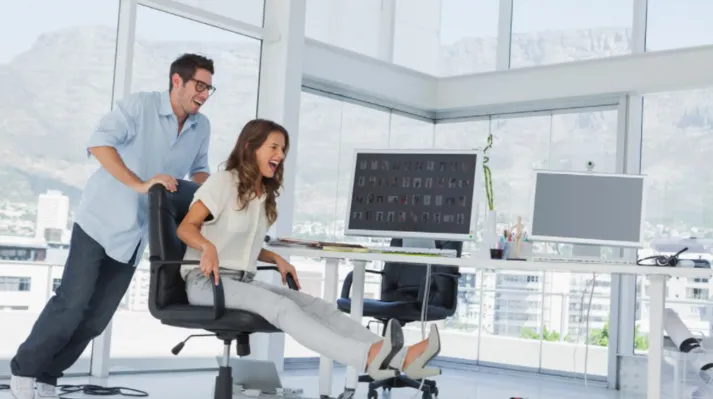
A California workplace injury involving horseplay is not automatically covered or automatically excluded. The result can turn on whether the injured worker was participating, whether the conduct was a substantial departure from work, whether the employer knew about or tolerated the conduct, and whether the worker was simply an innocent bystander.
California Labor Code section 3600 requires a compensable injury to arise out of and occur in the course of employment. California appellate decisions have historically denied some claims by active horseplay participants while recognizing coverage for nonparticipants and circumstances in which the employer condoned the conduct.
If an insurer labels an incident “horseplay,” preserve the facts before accepting that label as the end of the claim. Who started it, who participated, what supervisors knew, whether similar conduct was routine, where the incident happened, and whether work continued during the conduct can all matter.
Why the Word “Horseplay” Does Not Decide the Claim
Workers' compensation in California begins with the statutory requirement that the injury arise out of and occur in the course of employment. The law does not contain a simple section that says every injury involving joking or roughhousing is excluded.
Instead, California courts developed a body of horseplay decisions applying the work-connection requirement to different facts. In Hodges v. Workers' Compensation Appeals Board, the Court of Appeal discussed the traditional rule against compensation for a worker injured while actively participating in horseplay, while also recognizing that context matters. Earlier, the California Supreme Court held in Pacific Employers Insurance Co. v. Industrial Accident Commission that a nonparticipating employee injured by coworkers' horseplay could receive compensation. Later decisions also discussed an employer-condonation exception.
That is why the same workplace can produce different outcomes for different employees in the same incident.
Participant Versus Bystander
One of the most important questions is whether the injured worker joined the horseplay.
A worker who voluntarily abandons work to engage in a prolonged wrestling match, dangerous contest, prank involving machinery, or similar activity can face a substantial course-of-employment dispute. The insurer may argue that the worker stepped outside the employment relationship for the activity that produced the injury.
A worker who did not participate may have a materially different claim. For example:
- a warehouse employee is struck by an object coworkers threw as a joke;
- a worker is knocked over when two other employees are roughhousing nearby;
- a prank is played on an employee who did not agree to participate; or
- a coworker's practical joke causes a fall or equipment-related injury.
In those situations, the worker's own conduct may still be fully connected to the job even though the immediate cause was another employee's horseplay.
Employer Tolerance or Encouragement Can Matter
California cases have also examined whether the employer knew about and condoned recurring pranks or roughhousing. If supervisors regularly observe the conduct, join in it, encourage it, or treat it as an accepted part of workplace culture, that evidence may affect whether the activity is considered sufficiently connected to employment.
Evidence can include:
- prior complaints about the same conduct;
- supervisor participation;
- texts, videos, or group messages showing recurring pranks;
- witness statements describing what management routinely allowed;
- prior discipline, or the absence of discipline despite repeated incidents; and
- safety policies and whether they were actually enforced.
Employer tolerance does not turn every prank into a compensable event. It does mean that an insurer should not evaluate a claim by looking only at the final seconds before the injury.
Minor Deviation Versus Complete Departure From Work
Horseplay cases often become more difficult when the injured worker was participating but the conduct was brief or intertwined with work.
Factors discussed in California authority and workers' compensation analysis include:
- how serious and prolonged the deviation was;
- whether the employee completely stopped performing work;
- whether the conduct was customary in that workplace;
- whether the nature of the job made brief joking or playful conduct foreseeable; and
- whether the employer permitted or encouraged it.
A momentary joke while employees remain at their stations is not factually identical to using a forklift for a race or leaving assigned duties for a prolonged physical contest. The legal result depends on the evidence, not the label alone.
Horseplay Is Not the Same as an Intentional Fight
California Labor Code section 3600(a)(7) separately addresses injuries arising out of an altercation in which the injured worker was the initial physical aggressor. That issue can overlap factually with roughhousing, but it is not identical to the horseplay cases.
A friendly prank that goes wrong, mutual roughhousing, and an intentional fight arising from hostility may require different analysis. If the insurer relies on “horseplay,” “misconduct,” or “initial aggressor” language, obtain the actual written reason for the denial and address the rule the claims administrator is using.
Evidence to Preserve After a Horseplay Injury
Horseplay disputes are often decided by facts that disappear quickly. Preserve evidence as early as possible.
Identify every participant and witness
Write down who was involved, who was merely nearby, who saw the incident begin, and which supervisors were present.
Preserve video
Ask that workplace surveillance, phone video, vehicle cameras, warehouse cameras, or building security footage be preserved. Many systems overwrite recordings automatically.
Save workplace communications
Keep texts, chat messages, emails, incident reports, safety complaints, disciplinary notices, and prior communications about similar conduct.
Document the work context
Record what job you were performing immediately before the incident, whether you remained at your workstation or jobsite, whether work continued during the conduct, and whether the employer expected employees to remain in that area.
Report the injury accurately
Describe what happened factually. Avoid adopting an employer's legal characterization in the incident report. “Coworker pushed me while I was loading boxes” communicates more than simply writing “horseplay accident.”
File the Claim Even If Coverage Is Disputed
A supervisor's opinion is not the final workers' compensation determination. Report the injury promptly and request the DWC-1 claim form. California DWC states that employers must provide or mail a claim form within one working day after learning about a work injury or illness.
Return the employee portion and keep a dated copy. If the claim is delayed or denied, the written notice should identify the claims administrator's position. The site's separate denial-and-appeal guide explains the general dispute path.
Do not wait for coworkers to “sort out the story” before documenting your own account. Delay can make video, messages, and witness recollections harder to preserve.
What if the Employer Violated Safety Rules?
A separate safety issue may exist when horseplay involves powered equipment, vehicles, tools, heights, chemicals, or other dangerous conditions. Employers have obligations to maintain a safe workplace and enforce applicable safety rules.
A Cal/OSHA issue and a workers' compensation coverage issue are related but different. A safety violation does not automatically decide compensability, and compensability does not determine whether Cal/OSHA rules were violated.
When Legal Help May Be Useful
Individualized review may be especially useful when:
- the worker was injured by coworkers but did not participate;
- management knew that similar conduct was routine;
- a supervisor started or encouraged the prank;
- the insurer describes a minor event as a complete departure from work;
- the incident is being treated as an intentional fight or initial-aggressor case;
- surveillance footage or witness evidence may be lost;
- the claim has been formally denied; or
- the injury caused substantial medical treatment, wage loss, or permanent restrictions.
Bottom Line
California horseplay claims are fact-specific. Active participation in serious horseplay can create a real workers' compensation defense, but nonparticipating workers and workers injured in employer-condoned conduct may have a different legal position.
Preserve the evidence showing who participated, what happened, what the employer knew, and how closely the conduct remained connected to work. Do not let the word “horseplay” substitute for the actual course-of-employment analysis.
California Bar No. 239620.
Frequently asked questions
Is every horseplay injury excluded from California workers' compensation?
No. California authority distinguishes among active participants, nonparticipating workers, and situations in which the employer condoned the conduct. The facts control.
What if I was just standing nearby when coworkers were roughhousing?
A nonparticipating worker can present a much stronger work-connection argument than an employee who voluntarily joined the horseplay. Preserve witness and video evidence showing your role.
What if my supervisor regularly allowed the same pranks?
Employer knowledge or condonation can matter. Document prior incidents, supervisor involvement, complaints, and workplace practices.
Can the insurer call a fight “horseplay”?
The legal analysis depends on what actually happened. A hostile altercation can raise separate issues, including the initial-physical-aggressor rule in Labor Code section 3600(a)(7).
Sources and Legal References
- leginfo.legislature.ca.gov/faces/codes_displaySection.xhtml
- leginfo.legislature.ca.gov/faces/codes_displaySection.xhtml
- www.dir.ca.gov/dwc/FileAClaim.htm
Related Legal Resources
- Workers compensation attorney in van nuys
- Workers’ Compensation Denials and Appeals in California: What to Do Next
- What to Do After a Workplace Accident in California: Step-by-Step Checklist
- How to File a Workers' Compensation Claim in California
- Employer Responsibilities After a Workplace Injury in California
- Contact us