
Quick Answer
Plumbing work can expose workers to lifting injuries, falls, confined spaces, sewage, mold, asbestos, chemicals, electrical hazards and pressurized systems. A California plumber does not need one dramatic accident to have a workers' compensation issue: repetitive strain and occupational exposure can also matter. The useful response is to connect the specific task or exposure to medical evidence and preserve a clear record of where, when and how it happened.
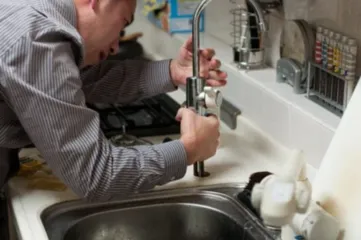
Plumbing is physical, skilled work performed in environments that can change from one job to the next. A plumber may spend one day lifting pipe and fixtures, another working in a cramped crawlspace, and another opening a drain or wall where chemicals, sewage, mold, asbestos-containing material, electrical hazards, or unexpected pressure may be present.
That variety is one reason a plumbing injury is not limited to a single “typical” accident. California plumbers can suffer sudden injuries such as falls, cuts, burns, crush injuries, and strains, as well as conditions that develop over time from repetitive force, awkward posture, noise, vibration, or hazardous exposure.
If the condition arises out of and occurs in the course of employment, workers’ compensation may provide benefits without requiring the employee to prove that the employer was negligent. The claim still has to satisfy California workers’ compensation requirements, and occupational illness or cumulative trauma can require careful medical and work-history evidence.
The plumbing hazards that matter most
Lifting, carrying, pushing, and awkward body positions
Plumbers routinely move tools, pipe, water heaters, fixtures, equipment, and materials through spaces that were not designed for comfortable lifting. Kneeling under sinks, twisting inside cabinets, reaching overhead, working on ladders, crawling, and applying force to stuck fittings can load the back, shoulders, knees, wrists, hands, and neck.
NIOSH identifies force, repetition, and awkward postures among the workplace risk factors associated with work-related musculoskeletal disorders. For plumbers, those risk factors can occur together. A single lift can produce a specific injury, while months or years of repeated work can contribute to a cumulative-trauma claim.
Useful evidence is not limited to a dramatic accident report. Job descriptions, work orders, schedules, photographs of typical tasks, tool use, lifting frequency, and medical histories can help explain what the worker actually did over time.
Slips, trips, and falls
Wet surfaces are common in plumbing work, but water is not the only source of a fall. Open trenches, ladders, roofs, crawlspaces, unfinished construction areas, loose materials, hoses, poor lighting, and access to mechanical spaces can all create risk.
A fall may produce fractures or head injuries, but it can also cause soft-tissue injuries that become more apparent later. Prompt reporting and medical evaluation are important even when a worker initially believes the injury is “just sore.”
Cuts, punctures, burns, and tool injuries
Plumbers use saws, torches, power tools, cutting equipment, and hand tools around metal edges and confined work areas. Injuries can include lacerations, punctures, burns, eye injuries, hand injuries, and damage caused by tool kickback or unexpected movement.
Personal protective equipment can be part of the control system, but PPE is not a substitute for eliminating or controlling a hazard when stronger controls are feasible. The correct protection depends on the task and applicable safety rules.
Confined spaces and hazardous atmospheres
Some plumbing work involves sewers, storm drains, manholes, pits, tanks, water mains, lift stations, and other spaces with limited entry or exit. California construction safety rules specifically list many of these locations as examples where confined spaces may occur.
A confined space can become dangerous because of oxygen deficiency, toxic or flammable atmosphere, engulfment, mechanical hazards, or difficulty exiting quickly. Where permit-required confined-space rules apply, employers have obligations involving evaluation, entry procedures, atmospheric testing and control, equipment, training, communication, attendants, and rescue planning.
Workers should not assume that a space is safe because another person entered it before. Conditions can change, and some hazards are invisible.
Sewage, biological material, and contaminated water
Plumbers can encounter wastewater, sewage, standing water, and contaminated material. The health risk depends on what is present, the route of exposure, the duration, and the controls used. Cuts and skin contact can add risk, and splashes can affect the eyes or face.
A worker with symptoms after a significant exposure should tell the medical provider exactly what material was involved if known, when the exposure occurred, and what protective equipment was used. Accurate exposure history matters when a condition may not be obvious from an X-ray or a single examination.
Mold and damp-building exposure
Plumbing leaks frequently lead workers into damp areas. NIOSH states that dampness and mold in buildings are associated with respiratory and other health problems. That does not mean every mold exposure proves a compensable occupational disease. Medical diagnosis, exposure history, other causes, and the legal standard for work causation still matter.
If a worker repeatedly enters visibly damp or mold-contaminated areas and develops symptoms, it can be useful to preserve work locations, dates, photos where safely obtained, respiratory protection information, and medical records that document when symptoms began.
Asbestos and older building materials
Plumbers who disturb walls, insulation, pipe systems, or other materials in older structures may encounter asbestos-containing material. California has detailed asbestos rules for construction activities, including hazard communication and controls for covered work.
A worker should not personally sample or disturb suspected asbestos simply to create evidence. The safe response is to follow the site’s asbestos procedures and applicable rules. If an occupational exposure later becomes medically significant, identifying the buildings, projects, dates, trades, materials, and employers involved can become important.
Chemical exposure and drain-cleaning products
Plumbing work can involve cleaners, solvents, adhesives, fluxes, sealants, gases, and other chemicals. The hazard depends on the substance, concentration, ventilation, task, and route of exposure. Safety Data Sheets and hazard-communication information can help identify what a worker was exposed to.
If an acute exposure occurs, workers should seek appropriate medical care and bring the product name or Safety Data Sheet when possible rather than relying on memory.
Electrical and pressure hazards
Water, conductive surfaces, power tools, pumps, heaters, and building electrical systems can create electrical risk. Pressurized water, steam, gas, compressed systems, and stored mechanical energy can create separate hazards.
A plumbing injury may occur when a line releases pressure unexpectedly, a component fails, or another trade energizes equipment. Multi-employer jobsites make documentation especially important because several contractors may control different parts of the work.
Employer safety responsibilities vary by the hazard
There is no single “plumber safety rule” that covers every job. California safety requirements are organized by the hazard and work environment. Depending on the task, relevant duties may involve confined-space programs, fall protection, hazard communication, respiratory protection, asbestos procedures, electrical safety, training, equipment guarding, or other Title 8 requirements.
The appropriate protective equipment depends on the task, the hazard assessment, and applicable workplace safety rules. A respirator, for example, is not a universal answer to every airborne hazard; use can depend on the hazard assessment and respiratory-protection requirements. The same is true for eye protection, fall systems, and other equipment.
What should a plumber do after a work injury?
For an emergency, obtain emergency medical care. Otherwise, the basic California workers’ compensation steps still matter:
- Report the injury or illness promptly. Give the employer a clear description of what happened or what work exposure you believe caused the condition.
- Ask for the DWC-1 claim form. The Division of Workers’ Compensation states that the employer must provide or mail the form within one working day after learning of a work injury or illness.
- Complete the employee section and keep a copy. If mailed, DWC recommends certified mail with return receipt requested so the worker has a delivery record.
- Get appropriate medical care. Tell the provider what job tasks, event, or exposures are involved.
- Preserve work and exposure evidence. Keep work orders, project locations, product information, photos, witness names, time records, and safety documents when available.
- Keep every work-status note. Restrictions can affect modified work, wage loss, and temporary disability issues.
For claim-filing problems, see Workers’ Compensation Claim Process.
What benefits may be available?
Benefits depend on the accepted injury and case facts, but California workers’ compensation can include:
- medical treatment reasonably required to cure or relieve the effects of a compensable work injury;
- temporary disability benefits when the work injury causes qualifying wage loss during recovery;
- permanent disability benefits when the injury results in lasting impairment;
- death benefits for qualifying dependents in fatal occupational injury cases; and
- return-to-work benefits in qualifying cases.
Replace “vocational rehabilitation” with the current benefit framework
Legacy legal content often tells injured workers that California automatically provides “vocational rehabilitation.” That wording is outdated for modern injuries.
For injuries on or after January 1, 2013, a worker with permanent partial disability who meets the applicable requirements and does not receive qualifying regular, modified, or alternative work may be eligible for a Supplemental Job Displacement Benefit (SJDB) voucher. DWC describes the voucher as a $6,000 nontransferable benefit for qualifying education, retraining, and related expenses. A worker who receives the voucher may also qualify for the state Return-to-Work Supplement Program’s separate one-time $5,000 payment if eligibility requirements are met.
The injury date matters, so older claims can operate under different rules.
What if the plumbing injury developed over time?
A plumber does not need a single accident if the medical condition developed from repetitive work or occupational exposure. California recognizes cumulative injuries and occupational diseases, but the legal date of injury and evidence can differ from a one-time accident.
A cumulative-trauma record can include:
- the period during which the repetitive work occurred;
- employers and job locations during that period;
- the physical duties and frequency of each task;
- when symptoms first appeared;
- when the symptoms first caused disability or work limitations;
- when a doctor first linked the condition to work; and
- other nonwork activities or prior conditions relevant to medical causation.
For more information, see /cumulative-trauma-injuries-attorney-van-nuys/.
What if an occupational illness appears years after an exposure?
Latency is one reason exposure claims can be difficult. A worker may not know during a project that an inhaled substance or repeated exposure will later become medically significant. The legal analysis can depend on the diagnosis, employment history, exposure evidence, and when the worker knew or reasonably should have known that disability was work-related.
Do not discard old union records, Social Security work histories, W-2s, project lists, medical records, or employer documents simply because a job ended years earlier. Those records can help reconstruct an exposure history.
For occupational-exposure issues, use /van-nuys-occupational-illness-exposure-lawyer/.
What if defective equipment or another contractor contributed to the injury?
Workers’ compensation can apply even without proving employer negligence. In some cases, a separate third party may also have contributed to the injury—for example, a different contractor or a manufacturer of defective equipment. A third-party claim is not automatic, and the workers’ compensation carrier may have reimbursement rights if another recovery exists.
Preserve the equipment, model information, contractor names, photographs, incident reports, and witness information if possible. Do not alter or discard a failed component that may be important evidence.
Return-to-work problems for injured plumbers
Plumbing jobs can be difficult to modify because many essential tasks are physical. A treating doctor may impose restrictions on lifting, kneeling, climbing, repetitive gripping, driving, or other activities.
DWC guidance says that assigned work must comply with the treating doctor’s restrictions. If the employer has no work meeting those restrictions, the worker cannot be required to work outside them. That can raise temporary disability and later return-to-work questions depending on the claim.
A worker should compare the written restriction to the actual task, not to the job title. “Shop work” may still violate a restriction if it requires lifting or repetitive use beyond what the doctor allowed.
For a focused explanation, see Return to Work and Modified Duties Lawyer.
Evidence checklist for plumbing injury and exposure claims
A strong file is organized around the actual work. Consider preserving:
- DWC-1 and injury reports;
- medical records and work-status notes;
- jobsite addresses and project dates;
- employer and contractor names;
- job descriptions, work orders, and dispatch records;
- photos of the area or equipment, if safely and lawfully obtained;
- product labels and Safety Data Sheets;
- training or confined-space permits relevant to the task;
- witness contact information;
- timecards and wage records;
- records of prior complaints about the hazard; and
- a written timeline of symptoms, treatment, and work changes.
How Hussain & Gutierrez can help with a plumbing work injury
A plumbing injury can involve a straightforward accident, a disputed cumulative-trauma claim, an occupational exposure, or a return-to-work problem. Hussain & Gutierrez can review the medical records, job history, claim documents, restrictions, and timeline and explain the California workers’ compensation process that may apply.
For occupation-specific workers’ compensation information, see Dangerous Occupations Lawyer in Van Nuys. For the broader practice, see Workers’ Compensation Lawyer in Van Nuys.
Bottom Line
The strongest plumbing-injury claim is built around specifics: the task, hazard or exposure; the medical diagnosis; and a reliable timeline. If the injury develops gradually, do not wait for a single dramatic incident before documenting symptoms and work activities.
Frequently asked questions
What are common workers’ compensation claims for plumbers?
Claims can involve back and shoulder injuries, knee and hand conditions, falls, cuts, burns, crush injuries, repetitive-trauma conditions, and occupational exposure. The important issue is not whether an injury is “common,” but whether medical and factual evidence supports that it arose from the work.
Can a plumber file a claim for repetitive strain instead of one accident?
Potentially. California workers’ compensation recognizes cumulative injuries. The worker’s duty history, medical causation, symptom timeline, and legal date of injury can be important.
Can mold or asbestos exposure be a workers’ compensation case?
Potentially, but exposure alone does not prove a compensable illness. A medically supported condition and evidence connecting it to employment are important. Asbestos and other long-latency exposures can require reconstruction of older employment and project history.
Do plumbers always need the same PPE?
No. The correct controls and PPE depend on the hazard, task, work environment, and applicable safety standard. Confined-space, asbestos, chemical, respiratory, fall, and electrical hazards each have different requirements.
What if my employer says my injury is just normal wear and tear?
That statement does not decide the claim. Cumulative trauma can be compensable when medical evidence supports that repetitive work caused or contributed to the injury under California law.
What if my employer has no plumbing work that fits my restrictions?
If no work is available that complies with the treating doctor’s restrictions, DWC says the worker cannot be required to perform work outside those restrictions. Temporary disability or later return-to-work benefits may become relevant depending on the case.
Sources and Legal References
- https://www.dir.ca.gov/dwc/InjuredWorker.htm
- https://www.dir.ca.gov/dwc/FileAClaim.htm
- https://www.dir.ca.gov/dwc/ReturnToWork.htm
- https://www.dir.ca.gov/dwc/sjdb.htm
- https://www.dir.ca.gov/rtwsp/rtwsp.html
- https://www.dir.ca.gov/title8/1950.html
- https://www.dir.ca.gov/title8/5157.html
- https://www.dir.ca.gov/title8/1529.html
- https://www.cdc.gov/niosh/ergonomics/ergo-programs/risk-factors.html
- https://www.cdc.gov/niosh/mold/about/index.html
Related legal services: Dangerous Occupations Lawyer in Van Nuys; Workers’ Compensation Lawyer in Van Nuys.
This content is general California legal information and is not individualized legal advice.