
Quick Answer
For most workers, elevators are routine transportation, but the risk changes sharply for people who install, repair, inspect, clean or work around shafts, pits, doors, counterweights and energized machinery. If an elevator-related injury happens at work in California, report the injury, get medical care, preserve evidence and start the workers' compensation process. Safety reporting to Cal/OSHA may also matter when a hazardous condition remains. Historical injury statistics should be treated as context, not as a prediction of any individual workplace.
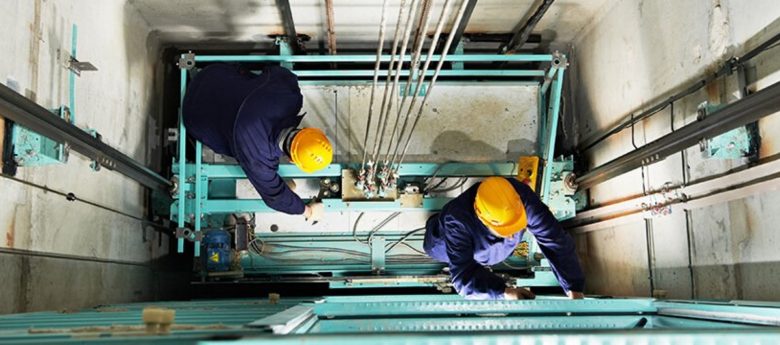
Elevators are routine for most people, but the risk looks very different for workers who install, repair, inspect, clean, construct around, or perform maintenance near elevator shafts and moving equipment. A normal passenger ride is not the same exposure as working beside an open hoistway, entering a shaft, servicing machinery, or working where an elevator or counterweight can move unexpectedly.
For California workers, the practical question is not whether “elevators are dangerous” in the abstract. It is whether the job exposes a worker to a fall, moving machinery, electrical energy, struck-by hazards, unsafe access, or another condition that can cause an injury. If an elevator-related injury happens in the course of employment, California workers’ compensation may provide medical treatment and other benefits regardless of who was at fault, subject to the facts and legal requirements of the claim.
What the elevator injury data actually shows
Older elevator statistics are often repeated online without dates, which can make historical figures sound current. A CPWR report preserved by NIOSH analyzed Bureau of Labor Statistics data from 2007–2009 and Consumer Product Safety Commission data from 2006–2010. In that historical analysis, 56% of deaths among workers working in or near elevator shafts involved falls into the shaft, 18% involved workers caught in or between moving elevator parts, and 16% involved workers struck by elevators or counterweights.
Those percentages are useful for understanding the types of hazards that have caused severe incidents, but they are not current annual California injury rates. They should not be presented as if they describe today’s workforce.
More recent federal safety data continues to show why fall prevention matters in construction generally. In April 2026, NIOSH reported that falls from elevation remain the leading work-related cause of death in construction. Elevator work can combine work at height with openings, moving equipment, electrical systems, and restricted access, so controls must address the specific task rather than rely on a single piece of protective equipment.
Which workers face the greatest elevator-related risks?
The highest-risk work is usually performed by people who must work on, in, or immediately around elevator systems. That can include:
- elevator installers, mechanics, repair technicians, and apprentices;
- construction workers working around open shafts or unfinished elevator landings;
- electricians and other trades servicing equipment near elevator machinery;
- maintenance and building-service workers who enter restricted areas;
- inspectors and authorized personnel who access elevator equipment spaces; and
- workers assigned tasks in or near hoistways, pits, machine rooms, or other areas where elevator movement creates a hazard.
A worker does not have to be an elevator mechanic to be injured by an elevator-related condition. A carpenter, cleaner, laborer, plumber, electrician, delivery worker, or other employee can be exposed if the worksite has an inadequately guarded opening, uncontrolled equipment movement, unsafe access, or a poorly coordinated maintenance operation.
The main hazards around workplace elevators
Falls into elevator shafts or from elevated work areas
An open or inadequately protected elevator shaft can create catastrophic fall exposure. California construction safety rules contain specific requirements for guarding openings and for fall protection in covered situations. The correct control depends on the work being performed, the location, and the applicable safety order.
Workers should not assume that a warning sign alone makes an opening safe. Guarding, safe access, fall-protection systems, training, and work planning may all be relevant depending on the task.
Moving elevators, counterweights, doors, and machinery
An elevator system can create crushing, caught-between, and struck-by hazards. A worker can be injured when equipment moves unexpectedly while someone is in a hoistway, pit, machine area, or other restricted space. Maintenance and repair procedures may require energy-control practices and coordination so machinery cannot be energized or moved while a worker is exposed.
A serious incident does not always look dramatic at first. Hand, foot, shoulder, back, and head injuries can occur when a worker is pinned, struck, pulled, or forced into an awkward position by moving equipment.
Electrical and stored-energy hazards
Elevator systems contain electrical equipment and mechanical components capable of storing or transmitting energy. The risk can include electric shock, burns, unexpected startup, or movement of components. Workers assigned to service these systems need task-specific training and the appropriate controls for the work being performed.
Unsafe work in pits, shafts, and other restricted spaces
Some elevator-related work occurs in areas with limited entry or exit, limited visibility, poor footing, or other hazards. Depending on the particular location and work, confined-space rules or other safety standards may apply. A worker should not improvise entry into a restricted area without the required authorization, controls, and training.
Slips, trips, falling objects, and poor housekeeping
Elevator construction and maintenance work can also involve ordinary jobsite hazards that become more serious around openings and moving machinery. Loose materials, cords, tools, oil, debris, poor lighting, or objects dropped from another level can contribute to an injury.
California regulates elevator operation and inspection
California’s Cal/OSHA Elevator Unit is responsible for enforcing safety requirements for elevators and other conveyances within its jurisdiction. Cal/OSHA states that an elevator generally may not operate without a valid current permit. The state also describes inspection requirements for new installations, alterations or modernization, annual inspections, and reactivation after extended periods out of service, with limited exceptions for certain residential devices.
For a worker, a permit or inspection does not mean every work activity around an elevator is automatically safe. The permit system addresses the conveyance and applicable safety requirements; employers and contractors still have duties to control hazards created by the work being performed.
What should you do after an elevator-related injury at work?
The first priority is medical safety. If the injury is severe or potentially life-threatening, seek emergency care. For less urgent injuries, report the incident promptly and obtain appropriate medical evaluation rather than assuming symptoms will disappear.
A useful post-incident record can include:
- the exact location of the accident, including the building, floor, elevator number, shaft, pit, or machine area if known;
- the task you were performing;
- whether the elevator or machinery moved unexpectedly;
- photographs of the area if they can be taken safely and lawfully;
- names of witnesses and supervisors who were present;
- the condition of guards, doors, barriers, platforms, ladders, lighting, or equipment;
- any work order, maintenance ticket, permit, inspection notice, or warning you saw;
- the time you reported the incident and to whom;
- medical records and work-status notes; and
- communications from your employer or the workers’ compensation claims administrator.
California’s Division of Workers’ Compensation advises injured workers to report a work injury promptly. The DWC also states that an employer must give or mail an employee a DWC-1 workers’ compensation claim form within one working day after learning of the injury or illness. If the employer does not provide the form, the worker can obtain it directly from the DWC.
What benefits may be available through workers’ compensation?
The benefits available depend on the injury and claim, but California workers’ compensation can include medical treatment, temporary disability benefits when a work injury causes wage loss during recovery, permanent disability benefits where the injury leaves lasting impairment, and other benefits or return-to-work assistance when legal requirements are met.
Temporary disability is not automatic simply because a person was hurt. Medical work status and wage loss matter. Likewise, the value and duration of benefits depend on the facts of the case and current law.
A worker who receives medical restrictions should give the restrictions to the employer and keep a copy. DWC guidance states that work assigned to an injured employee must comply with the treating doctor’s restrictions. If the employer has no work that meets those restrictions, the employee cannot be required to perform work outside them.
For more detail on benefits and the claims process, see the firm’s Workers’ Compensation Lawyer in Van Nuys page at Workers’ Compensation Lawyer in Van Nuys.
What if someone other than your employer contributed to the elevator accident?
Workers’ compensation is generally the primary system for a work injury involving the worker’s employer, but some incidents may also involve a separate person or company—for example, another contractor, a property-related entity, or an equipment company. Whether a separate claim exists is highly fact-specific and should not be assumed from the accident alone.
Preserve names of contractors, maintenance companies, equipment owners, and witnesses if you know them. Do not sign away rights or make assumptions about fault before the incident has been evaluated.
When should an elevator hazard be reported to Cal/OSHA?
California workers have the right to file workplace safety and health complaints with Cal/OSHA. Cal/OSHA states that complainants’ names must be kept confidential unless the person requests otherwise. The agency can respond through an onsite inspection or investigation by letter depending on the nature of the reported hazard.
A safety complaint and a workers’ compensation claim serve different purposes. A Cal/OSHA complaint addresses hazardous workplace conditions and enforcement. A workers’ compensation claim addresses benefits for a worker who suffered a job-related injury or illness. In some situations, both processes may be relevant.
If a worker is concerned about an open shaft, missing guard, uncontrolled machinery, or another elevator hazard, it can be useful to document the condition and report it through the appropriate workplace and government channels. Do not place yourself in danger to take photographs or gather evidence.
Evidence that can matter in an elevator injury claim
Elevator cases can become evidence-heavy because the physical condition may change quickly after an accident. Repairs may occur, barriers may be installed, or a contractor may leave the site. Useful records can include:
- Contemporaneous injury reports. A written report made close to the event helps establish when, where, and how the injury was reported.
- Medical records. The history given to medical providers should accurately describe the work event and body parts affected.
- Work-status notes. These establish whether the doctor took the worker off work or imposed restrictions.
- Witness information. Coworkers may have seen the event, the condition before the event, or earlier complaints.
- Jobsite records. Work orders, maintenance records, inspection documents, safety meeting records, and contractor information can help explain what was happening.
- Photos or video. Images can preserve a condition that may later be repaired or altered, but only if they can be obtained safely and lawfully.
How Hussain & Gutierrez can fit into the next step
An elevator-related injury can involve more than a medical bill. Workers may face delayed claim forms, disputed causation, work restrictions, temporary disability questions, or pressure to return to tasks that do not match medical limits.
Hussain & Gutierrez represents injured workers in California workers’ compensation matters. The firm’s Dangerous Occupations resource at Workplace Injury Risks in Dangerous Occupations explains how high-risk work fits into the broader workers’ compensation system. If an elevator injury has created a claim dispute, treatment problem, or return-to-work issue, the firm can review the timeline and available documents and explain the workers’ compensation process that may apply.
Bottom Line
Elevator injuries are best handled as both a medical/documentation problem and, where applicable, a safety problem. The strongest next step is to document the incident early, follow the workers' compensation claim process, and preserve any evidence showing how the elevator, shaft, door, maintenance condition or work assignment contributed.
Frequently asked questions about elevator injuries at work
Are elevators safe for ordinary passengers?
Modern elevators operate under extensive safety and inspection requirements, and passenger use is different from occupational exposure. This article focuses on workers who must install, repair, construct around, inspect, clean, or otherwise work near elevator systems and shafts.
What is the biggest risk for elevator workers?
There is no single risk for every job. Historical elevator-specific research identified falls into shafts, caught-between events, and struck-by incidents as major fatal mechanisms. Current construction safety data also continues to identify falls from elevation as a leading fatal hazard. The actual controls must match the worker’s task and worksite.
Can I get workers’ compensation if the elevator accident was not my employer’s fault?
Potentially, yes. California workers’ compensation is generally a no-fault system for qualifying work injuries, so an employee ordinarily does not have to prove employer negligence to seek benefits. Eligibility and disputed issues still depend on the facts and legal requirements of the claim.
Should I report an elevator safety problem even if no one has been injured yet?
Workers can report safety concerns internally and may file a workplace safety complaint with Cal/OSHA. A complaint can be appropriate when a worker believes a safety or health violation, physical danger, or imminent hazard exists.
What if I was injured while working near an elevator but I am not an elevator mechanic?
Your job title does not decide whether an injury is work-related. Construction workers, cleaners, electricians, plumbers, maintenance staff, and other employees may have workers’ compensation rights if an injury arose out of and occurred in the course of employment.
What if my employer tells me to return before I feel ready?
The key document is the treating doctor’s work-status report. If the doctor has imposed restrictions, DWC guidance says assigned work must comply with those restrictions. Keep the most current work-status note and communicate restrictions in writing.
Sources and Legal References
- https://www.dir.ca.gov/dosh/Elevator.html
- https://www.dir.ca.gov/dosh/ElevatorPermits.html
- https://www.dir.ca.gov/dosh/ElevatorFAQ.html
- https://www.dir.ca.gov/dwc/InjuredWorker.htm
- https://www.dir.ca.gov/dwc/FileAClaim.htm
- https://www.dir.ca.gov/dwc/faqs.html
- https://www.dir.ca.gov/dosh/Complaint.htm
- https://www.cdc.gov/niosh/bulletin/2026/falls-stand-down-2026.html
- https://stacks.cdc.gov/view/cdc/221302
Related legal services: Workplace Injury Risks in Dangerous Occupations; Workers’ Compensation Lawyer in Van Nuys.
This content is general California legal information and is not individualized legal advice.